The Yellowing Driveway: Why Non-UV Resin Ruins £15k Investments
Thinking of a new resin driveway? Discover why accepting a cheap quote often means your pristine silver driveway will turn a stained, nicotine-yellow within months.
Let’s talk about the worst phone call I get in this trade.
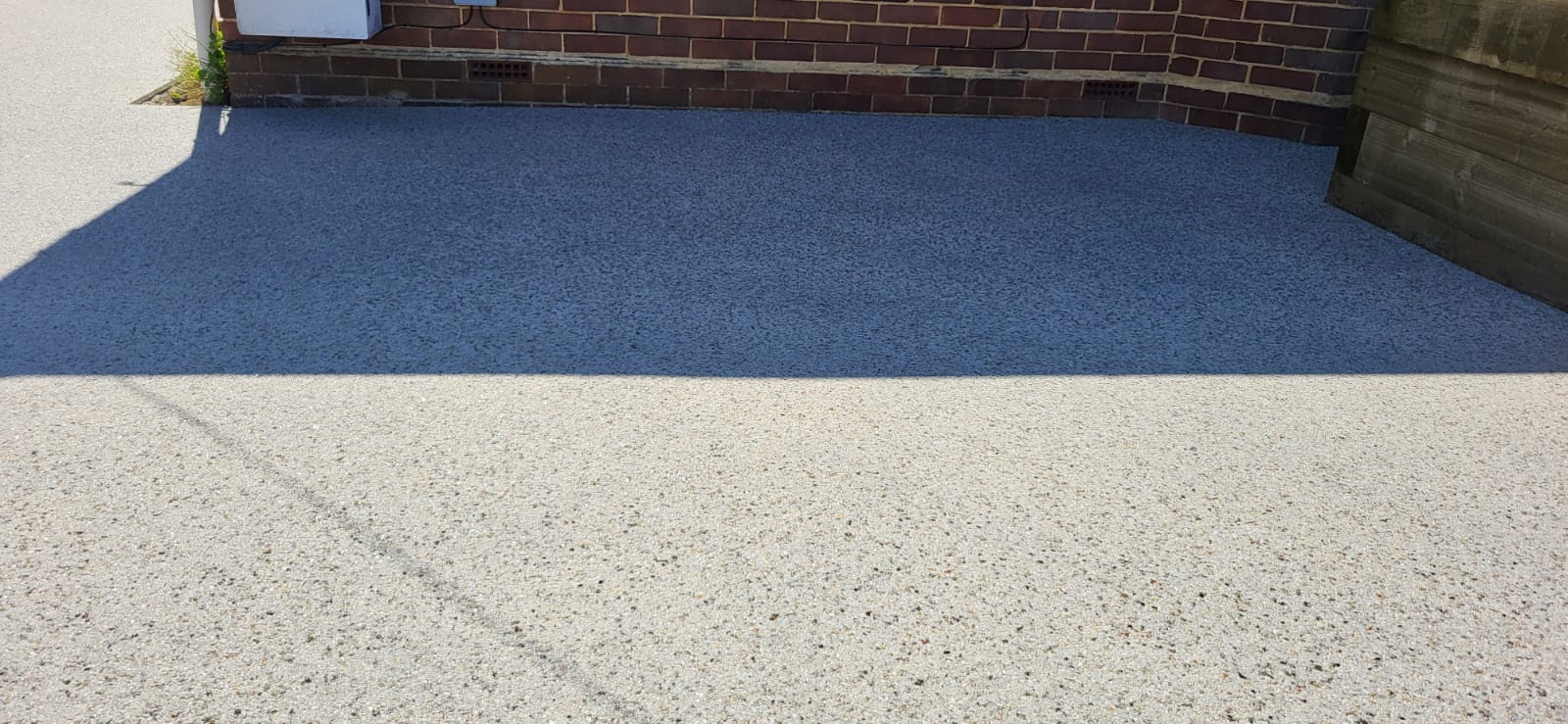
Usually, it rings late August. The caller is fuming. They dropped fifteen grand in spring on a crisp silver resin drive. Looked brilliant for about eight weeks.
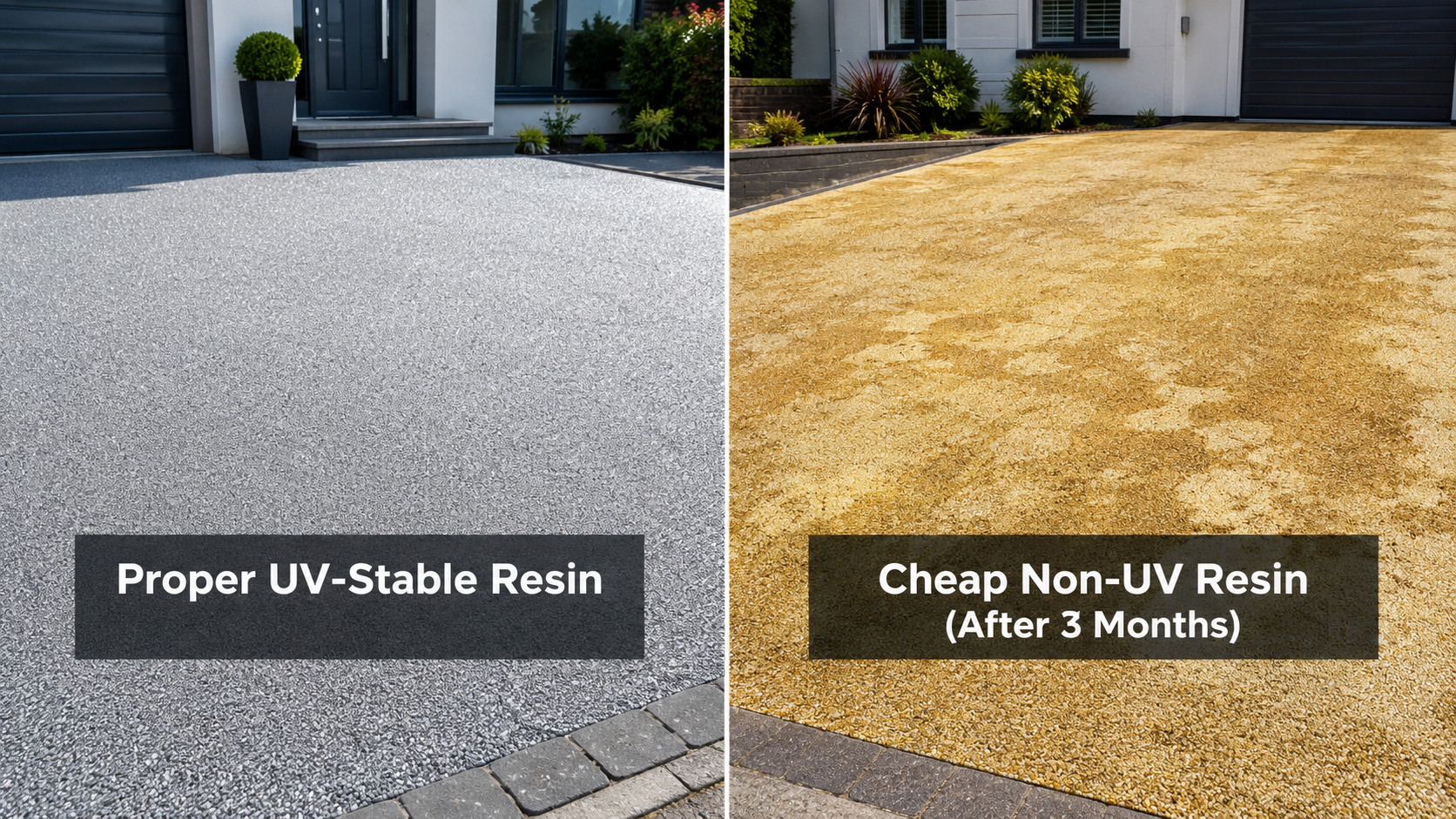
Then the summer kicked in. The sun beat down, and now that sharp silver looks like it’s covered in nicotine stains. It’s a patchy, sick-looking yellow.
They ask if I can pressure wash or bleach it back to silver.
I have to give them the bad news: you can’t clean it. That yellowing isn't dirt. It’s a chemical reaction baked into the core. The only real resin driveway repair Bournemouth locals can get at that stage involves a digger, a skip, and starting from scratch.
Welcome to the dirty secret of the UK surfacing game: Non-UV Stable Resin.
The Price Tag Trap
Getting quotes for a new driveway around Poole or Christchurch? You’ll see wild price gaps. One firm says twelve grand. A bloke with a glossy flyer says nine and a half. Naturally, you think the first guy is pulling your leg and take the cheaper option.
Here’s how the cheaper lad undercut the price: he used budget binder. In this job, there are two distinct chemicals used to mix resin.
1. Aromatic Polyurethane (Non-UV Stable) This is the budget option. It holds stone together fine, but it can't handle daylight. UV rays basically cook the chemical makeup, turning it a nasty amber. If you're laying dark brown stones, some get away with it because the yellow blends in. Lay it over modern grey or silver aggregates? It’s ruined in three months.
2. Aliphatic Polyurethane (UV Stable) This is the proper gear. It stays perfectly clear no matter how much sun bakes it. Yes, it costs us a lot more to source. But it’s the only material fit for a residential driveway, especially with light-coloured, contemporary designs.
Taking that cheap quote didn't save you two grand. It just bought a surface that expires in 90 days.
The Coastal Sun Problem
Down here along the Dorset coast, the sun is brutal on hard landscaping. A south-facing drive takes a hammering all summer. I’ve seen cheap resin jobs in Parkstone turn yellow so fast it’s shocking.
"How long do resin driveways last?"
Done right—with the proper groundwork, a porous tarmac base, and a UV-stable top—a resin drive should easily see you through twenty years without weeds or puddles.
An aromatic, non-UV drive laid by cowboys? It might hold together structurally for a bit, but it looks terrible after one summer. You'll be paying a proper firm to rip it out long before it cracks.
Question Your Contractor
Before handing over a deposit, put the contractor on the spot.
- Demand the Spec: Ask for the exact brand and spec of the binder. If they mumble about "standard driveway resin," shut the door.
- Look for 'Aliphatic': Get it written on the quote: 100% UV-stable Aliphatic polyurethane.
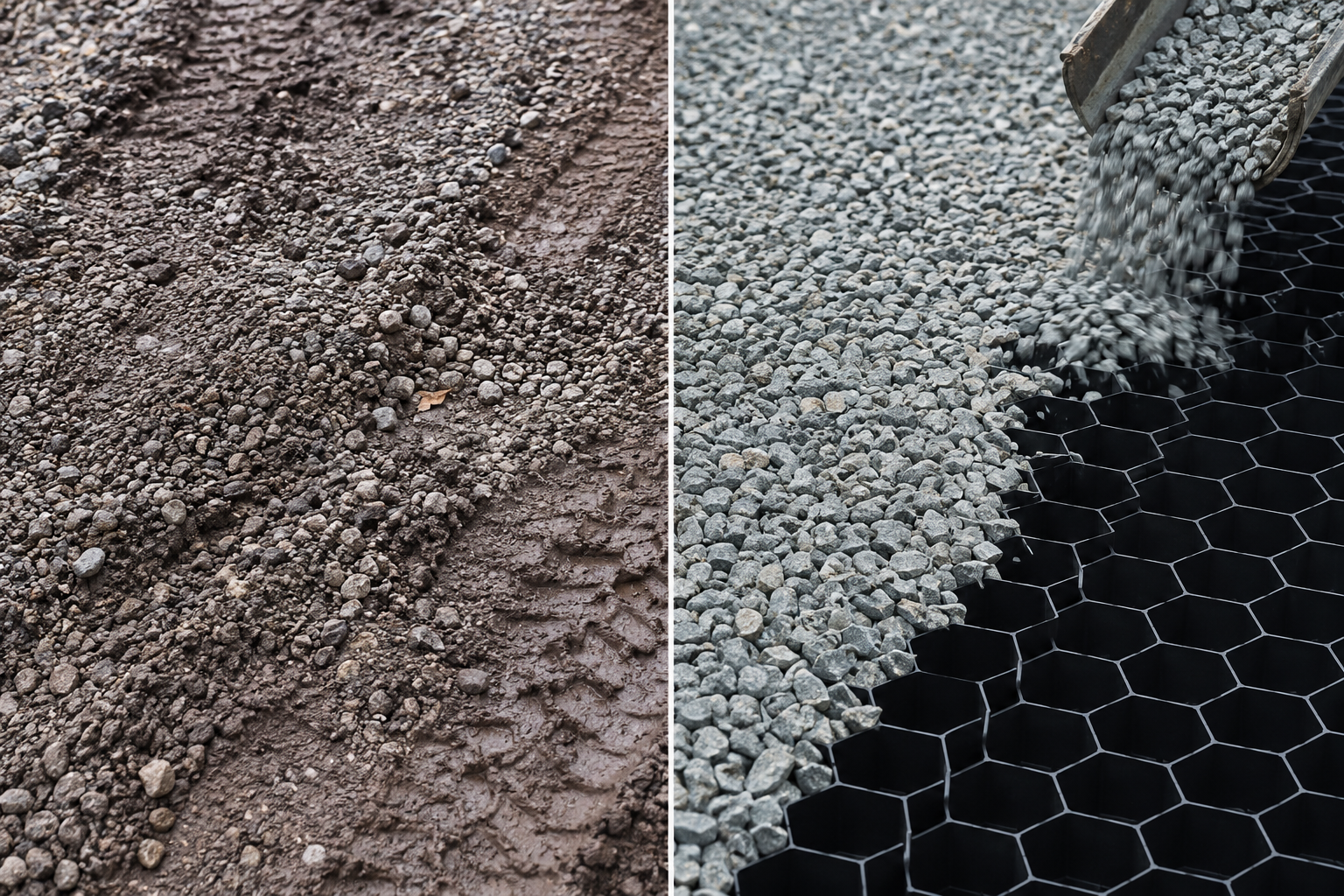
- Ask About the Base: Resin is just a topcoat. If they aren't talking about digging out, laying MOT Type 3 hardcore, and a porous tarmac binder course, walk away.
Do It Once, Do It Right
At GW Landscaping+, we refuse to use non-UV stable aromatic resins. Full stop. I’d rather lose a job on price than lay rubbish that ruins the front of your house.
Want the drive to actually match the sample you picked out? It takes the right materials.
Pop into 17 Tweedale Road, Bournemouth, or ring 07835 390845. We’ll show you the gear we use and why it actually works.